
Understanding the difference between a product and a service could by the key to the success or failure of your building project. This is particularly important when working on traditional buildings. Get it wrong and you will be left frustrated, or worse, facing serious technical and financial problems..
A building project is one of the biggest commitments a business or an individual will make. To anyone outside the construction industry, it can seem unnecessarily complicated and time-consuming process. The range of choices, number of decisions and technical knowledge required in construction can be bewildering and most people need help and advice to guide them through the process.

We have prepared this infographic to help you
Why can’t it be like buying a car? You walk into the showroom pick the car you want, put down your money and drive away.

Buying a car is a good example of buying a product. Although a car uses sophisticated technology and production methods, like most products its function is fairly simple and easy to understand. You know what you are getting, basically a box with chairs that rolls back and forth along a smooth and relatively flat surface from point A to point B. It is self-contained and does not need to be an integral part of a larger structure.
When you buy a car or a fridge or a television, you don’t get much in the way of choice, maybe the colour or the model. The decisions regarding internal components, style, etc are taken by the manufacturer. You either accept the product on offer, or you don’t. That is the extent of the choice available.
Although the technology and production methods of a building project may not be as sophisticated as those of a car, its range of functions are far more complex. It must respond and adapt to a wide variety of activities that may take place simultaneously or change during different periods of the day or year. It does not exist in isolation. It must integrate with various services provided by others. It occupies a site that has unique geology, soil characteristics and exposure to the weather. They impact on others and the views of the local community need to be taken into consideration as part of the development process.
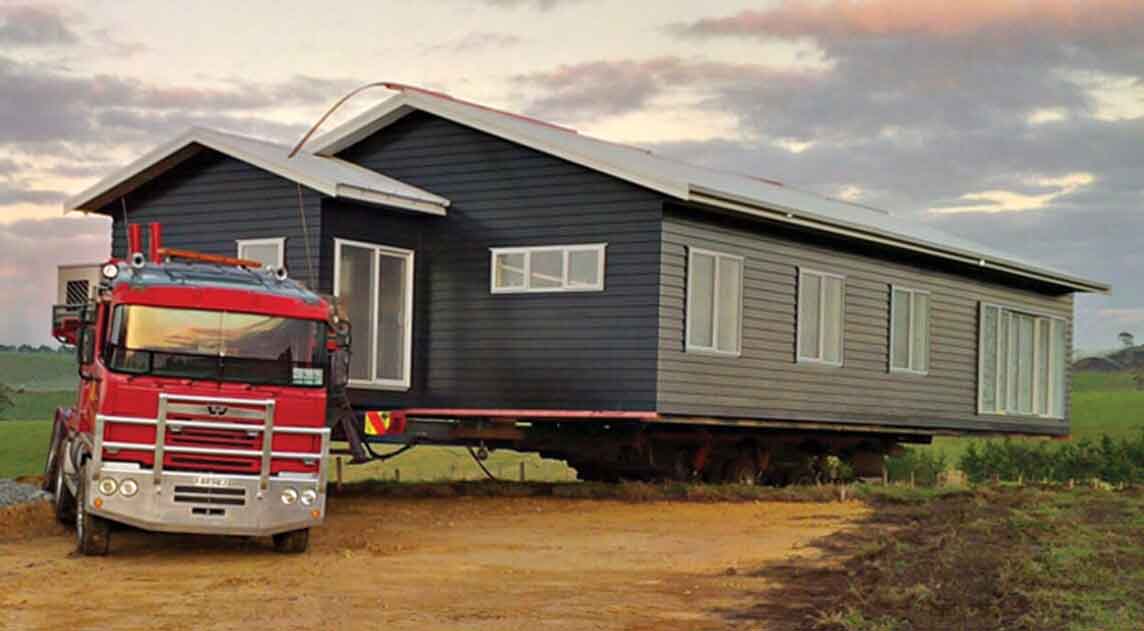
A lot of time and effort is being spent trying to make construction more like the manufacturing process. Off-site construction and pre-fabricated buildings attempt to make the process as simple as buying a car, quick, simple with higher performance and lower costs.
Here we come to the crux of the matter. In the right circumstance, this can be a great solution with a lot of benefits. However, there are also disadvantages. The flip side is that someone selling you a product is not giving you independent advice.
Remember all those disclaimers you get from the bank when you take out a financial product. They go out of their way to make it clear that they are not providing independent advice.
When you are being sold a product, the focus is on the sale. The focus is not on assessing whether the suggested product is right for your particular circumstances.
Whether you are developing a building or just carrying out a simple repair, get it wrong and you could end up with a very costly mistake. The wrong product will not only fail to perform as expected, it may also have a serious impact on surrounding building fabric causing more damage.

It may sound simple, but in practice it can be difficult to spot whether you are getting independent advice or being sold a product. The marketing is slick. Every product seems offer unparalleled performance, with lots of attractive imagery and data that blur the boundaries.
Many suppliers, try to package a product as a service to give their product an impression of greater credibility and value. To confuse things further, many independent professional advisors try to package their services as a product, to make them simpler to understand and more attractive to clients that are price sensitive.
If this all sounds a bit abstract, here is a simple example.
A homeowner would like new high-performance windows. They speak to a builder about the work. The builder is happy to discuss the work that is required and provide a price. The home owner thinks they are getting reliable advice, but they are in fact being sold a product.
Although the work was well executed, the owner is unaware that they live in a conservation area and need planning permission for the work. The design is not appropriate for the area. Without planning consent, they may find it difficult to sell their property in the future and the planning authority may insist that they are removed and replaced with a more appropriate option.
Before planning any work, you need decide whether it is a product or a service that is the right solution. Our info-graphic will be a useful starting point.
If you are considering a product, don’t be distracted by glossy the promotional material, focus on these four things;
- Are you confident that suggested product is right for your’ situation?
- Are you aware of all the relevant technical and legal issues?
- Is the product compatible with rest of the property?
- What are the limitations of the product?
- How does it compare to the available alternatives?
If you want or need independent advice, you need to make sure that that is what you are getting.
- Is the person suggesting a solution for your property issue also going to be the person supplying the solution or carrying out the work? If so, you are being sold a product.
- Is the person suggesting a solution for your property issue willing to spend time reviewing your circumstances and the suitability of alternative options available from a range of suppliers? If not, you are being sold a product.
- Is the person suggesting a solution for your property issue being paid for their time? If the advice being provided free of charge, you are probably being sold a product.
Why pay a professional for advice, when my budget is tight and others will give it for free?
Refer to item 3 above.
An independent advisor may offer some general guidance to help you understand how they can help you and the range of services that they will provide for their fee. Their initial comments are unlikely to be in enough detail to act upon.
Advice is only really of value if it is specific to your issue, provided in writing, by a company with the relevant expertise, that is willing to put their name to it and will take responsibility for the quality of the advice and any consequences that may arise from it.
The cost of advice should not be looked at in isolation, but should be understood as being a small part of a much larger package of project costs. The cost of the advice will be offset by a more cost-effective solution to your problem a reduced risk of expensive mistakes and reduced long term costs arising from maintenance and repair.
Remember, a professional is providing independent advice and is working for you. It is a relationship that depends on trust and mutual respect to work successfully. They are offering their knowledge and expertise to help you and may have to tell you something that you may not want to hear. You should be prepared to listen and recognise that they are trying to protect your interests.
The opposite is true when you are buying a product, you need to question everything. Examine the small print and look for flaws. You need to make sure that you understand your legal duties and responsibilities. If you are not entirely satisfied with a product, you don’t pay for it.
If you mix these two approaches up, and treat someone that is providing a service, as if they were supplying a product, you will undermine the relationship between you and your advisor. They will have doubts that they will be paid and may limit the amount of help that they are prepared to provide.
If you mistake someone that is selling a product for someone providing a professional service, you are in danger of purchasing something that is not suitable for your particular situation. If not compatible with your property it may cause a great deal of damage resulting in expensive repairs or result in legal complications when you come to sell your property.
MAAC studio are accredited conservation architects working with traditional buildings throughout the North of Scotland.
If you need independent advice give us a call ?


